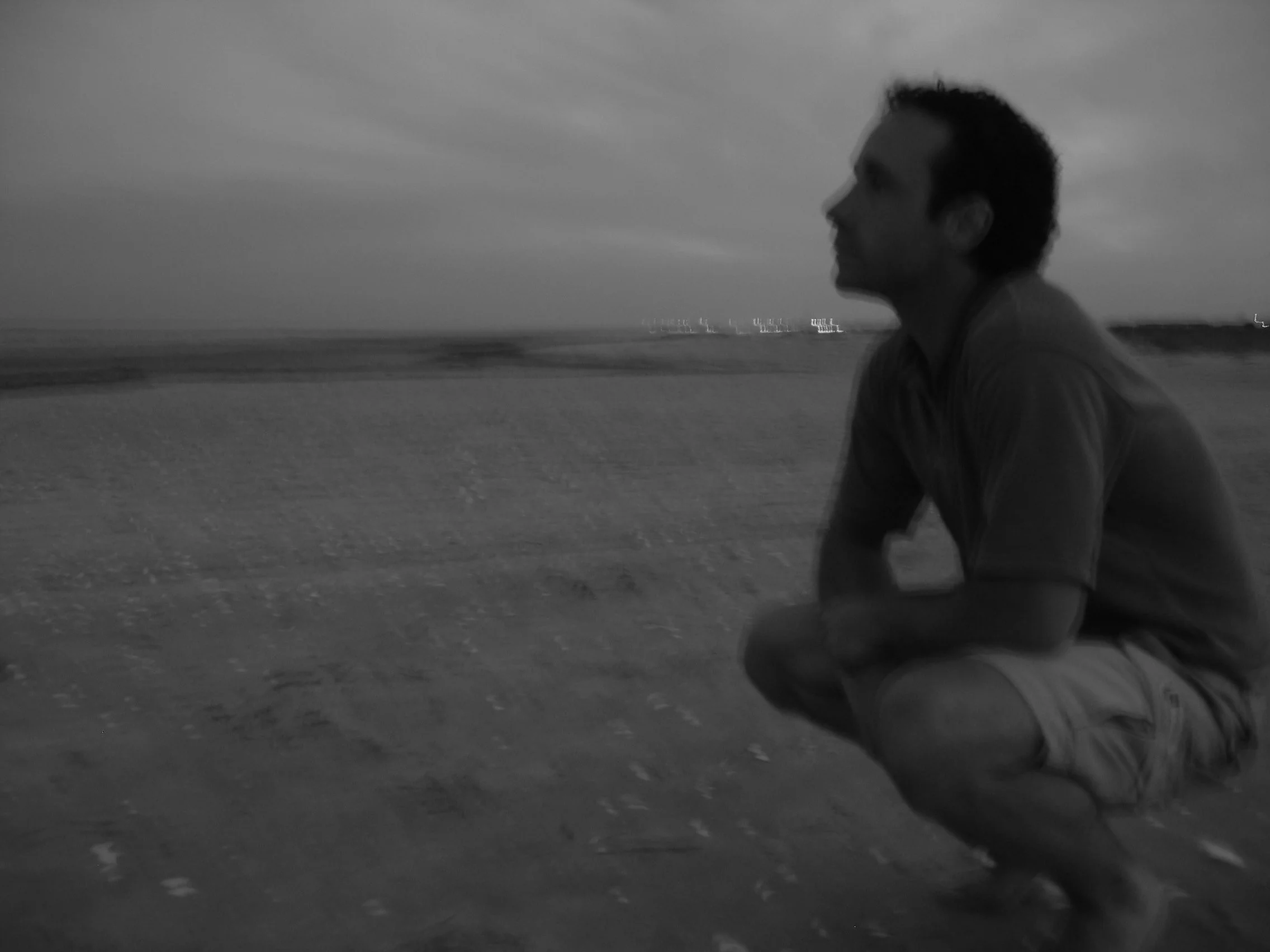

Andrew Rael, born in Misawa, Japan, used music for pure enjoyment and also learned to use the piano as a refuge during his parents' decades long, high drama, soap opera themed divorce, filled with instability, anger, addiction, abuse, and depression.
My journey to the piano wasn’t a straight line. It was a winding road, filled with turmoil and uncertainty. From a young age, my world was a chaotic place, a home filled with conflict and instability. I often felt like a ship tossed about in a stormy sea, searching for a safe harbor. I found that harbor in the most unexpected of places: the piano. I became a quiet child, a “mouse” as my father used to call me. But while I was quiet on the outside, my mind was a whirlwind of thoughts and emotions.
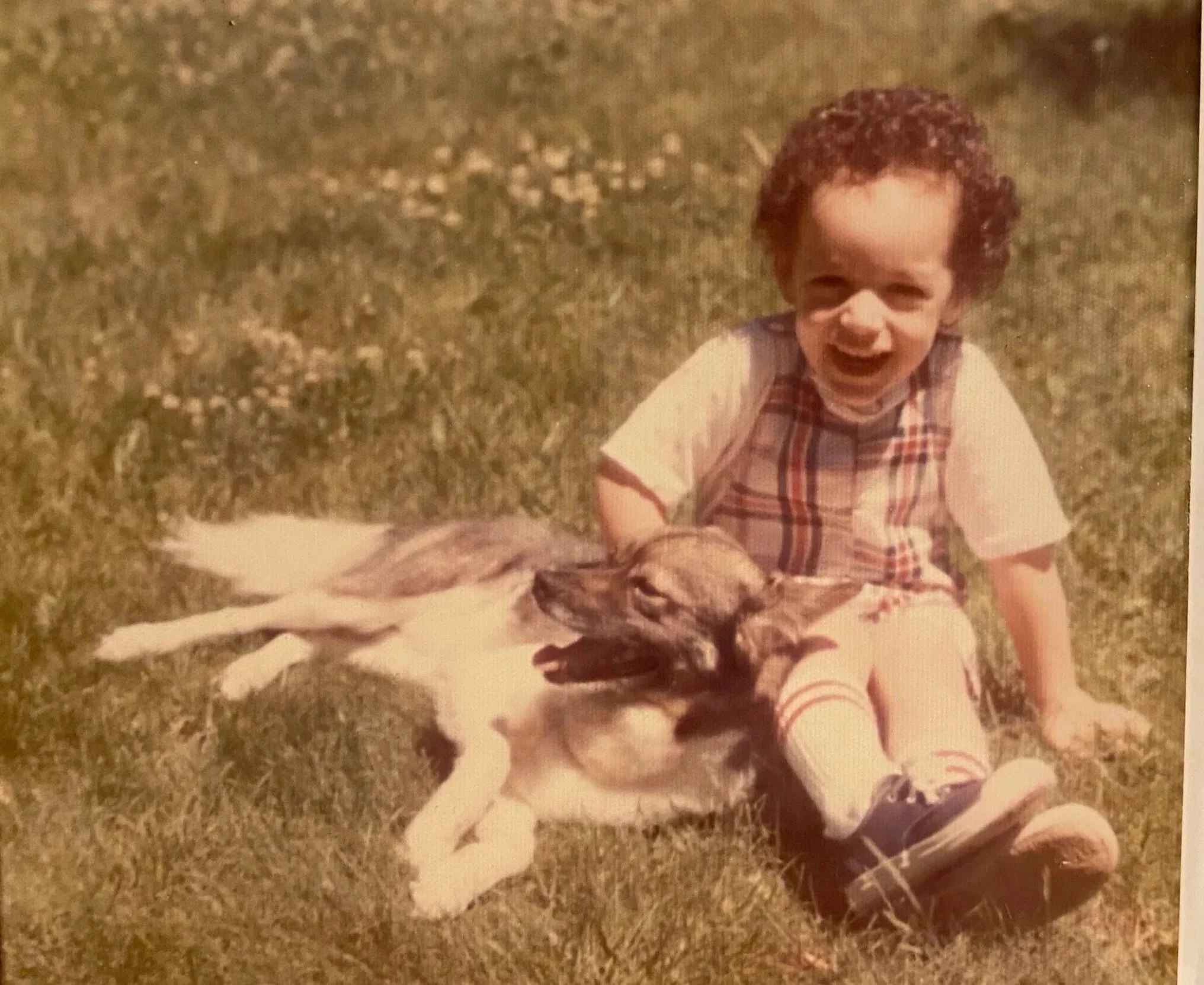
But the scars of my childhood remained. The loss of my beloved dog, Nikko, and finally standing up to my abusive father marked the end of my innocence, the end of a chapter. Through it all, the piano was my constant companion, my faithful friend. It was the one thing that remained true, the one thing that made sense in a world that often didn’t.
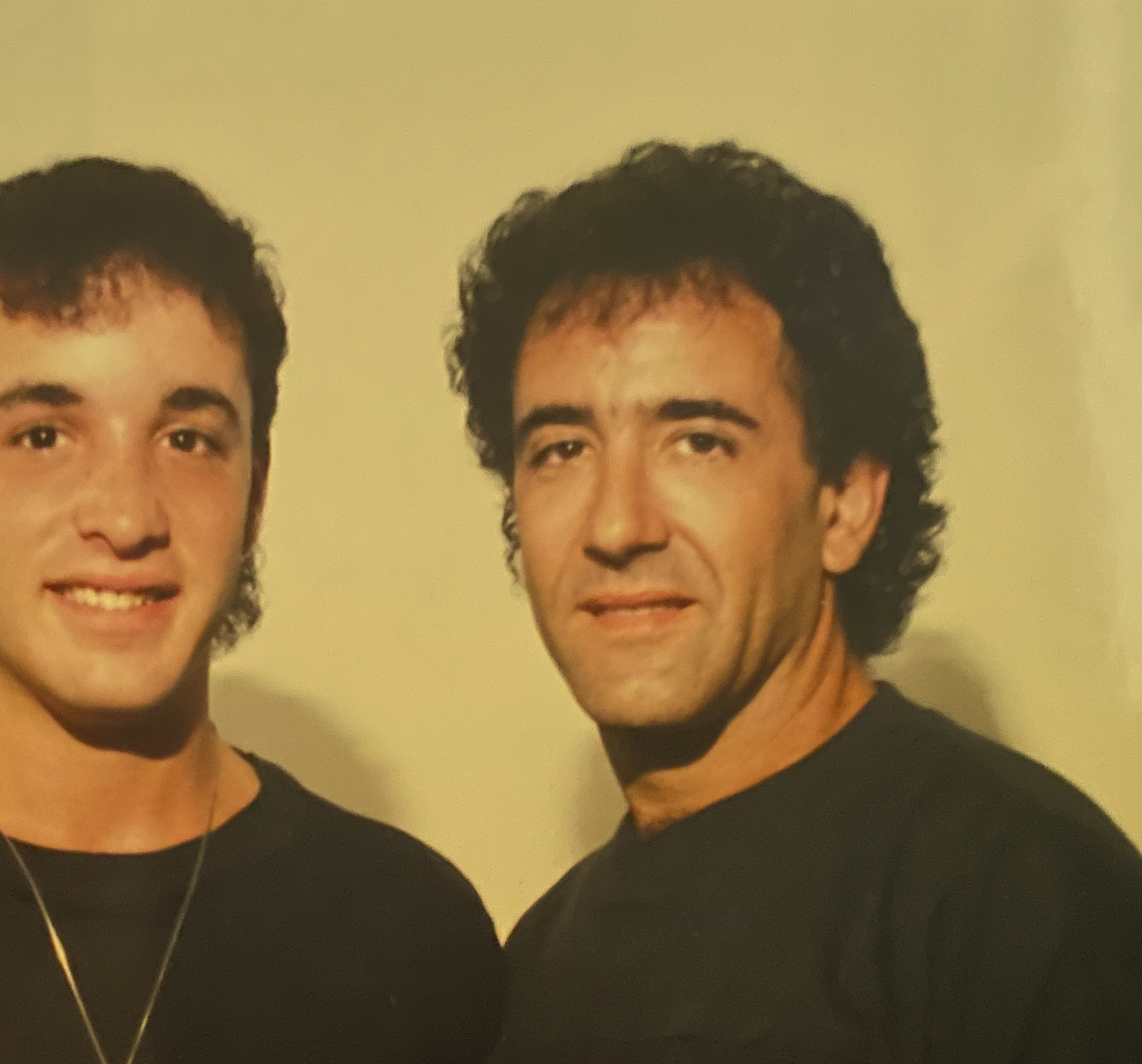
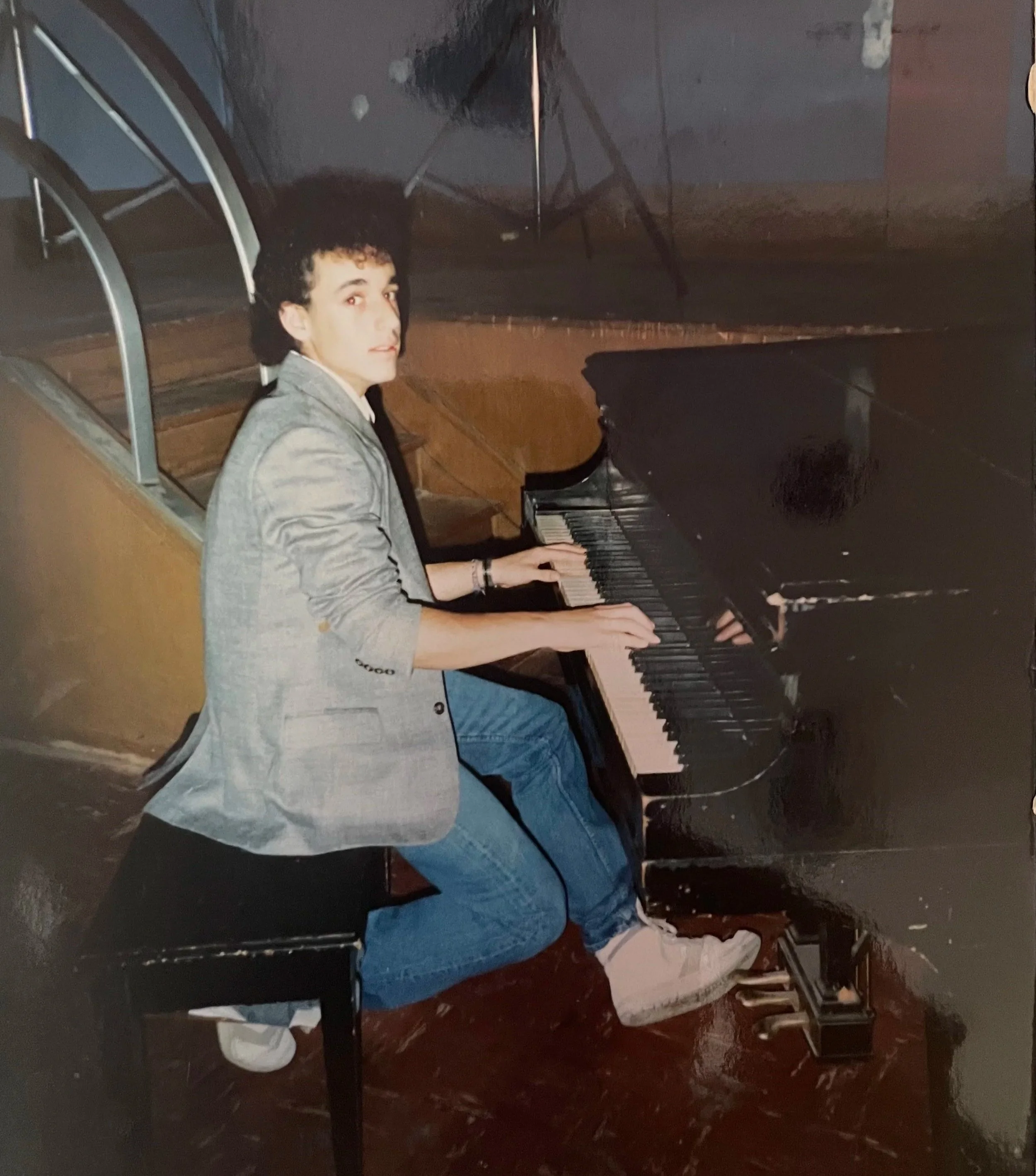
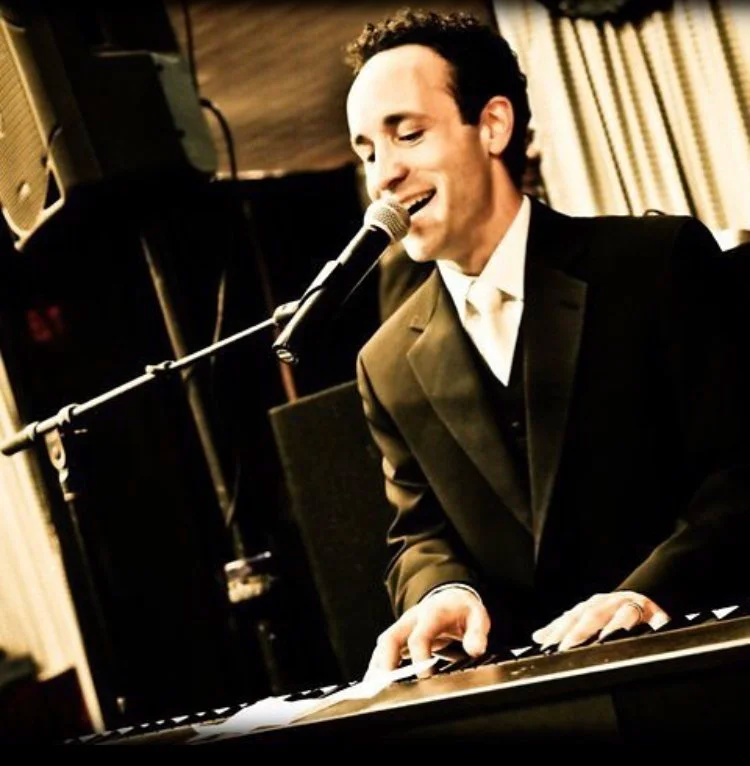
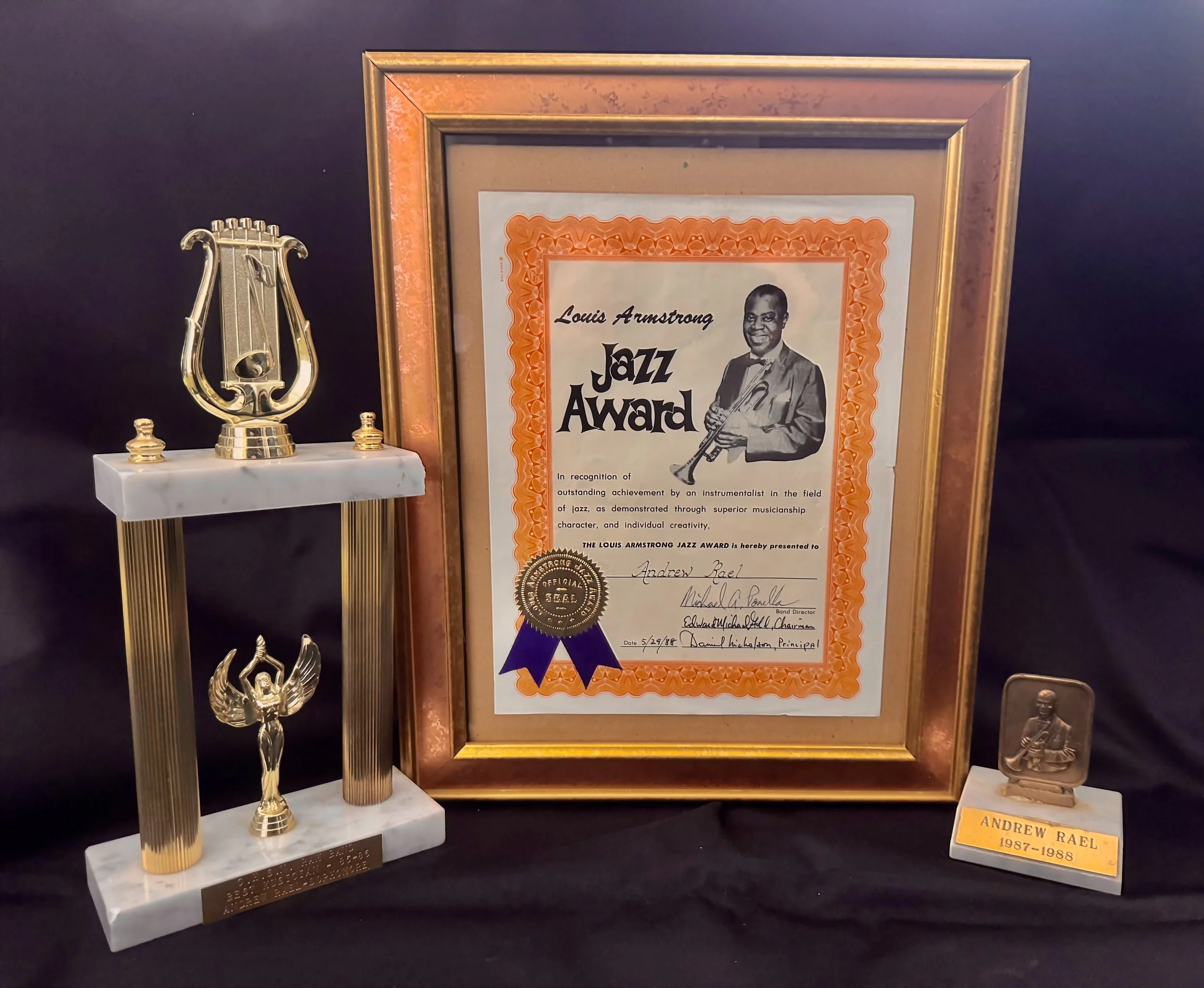
Starting piano at age three, music became a constant in his life, and a safe place for the turbulence that was his youth. Back then, it just helped him to deal with the ups and downs of being a highly sensitive person (HSP) and eventually leading to a successful career as a jazz pianist and NYC studio musician.
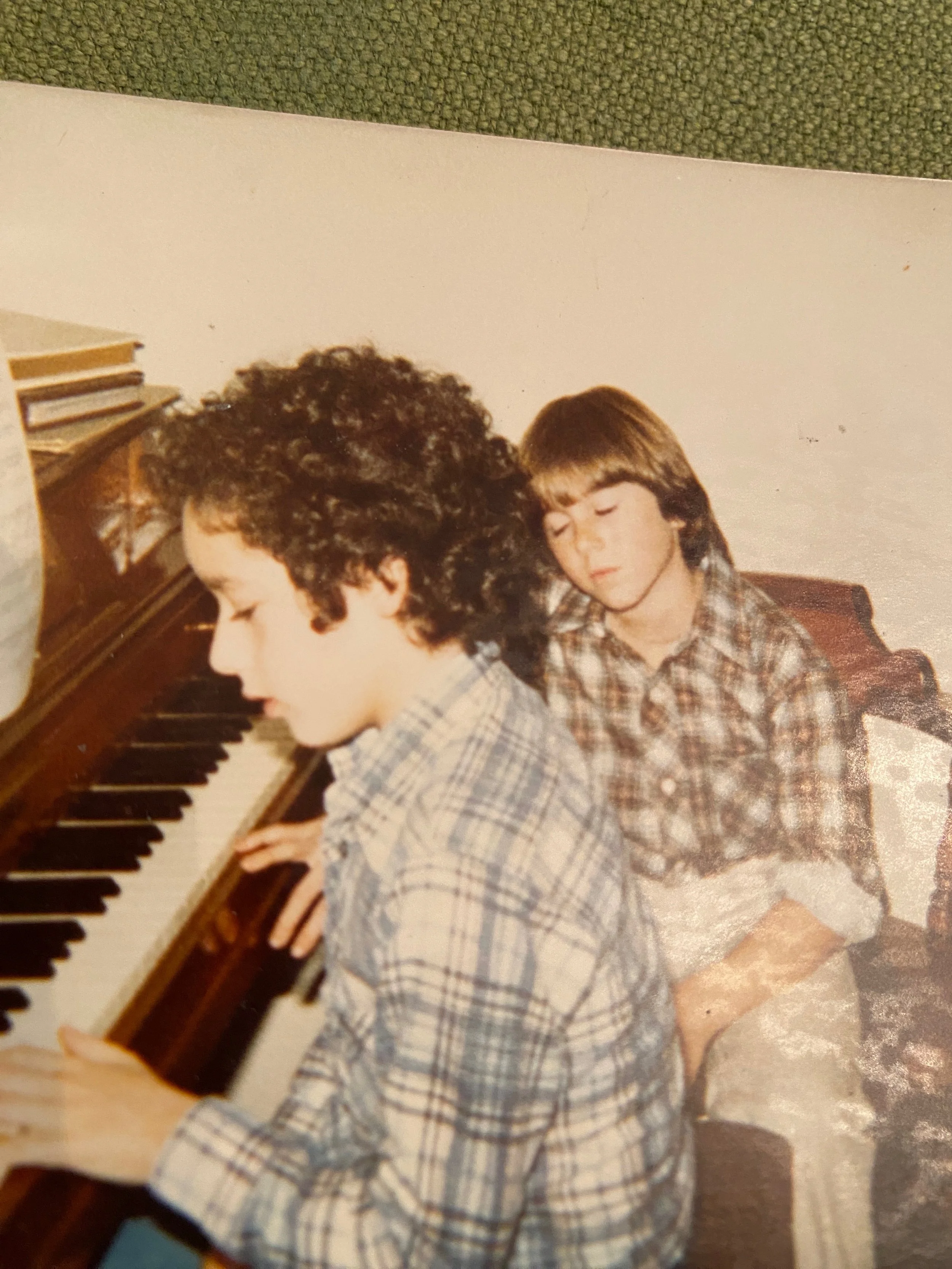
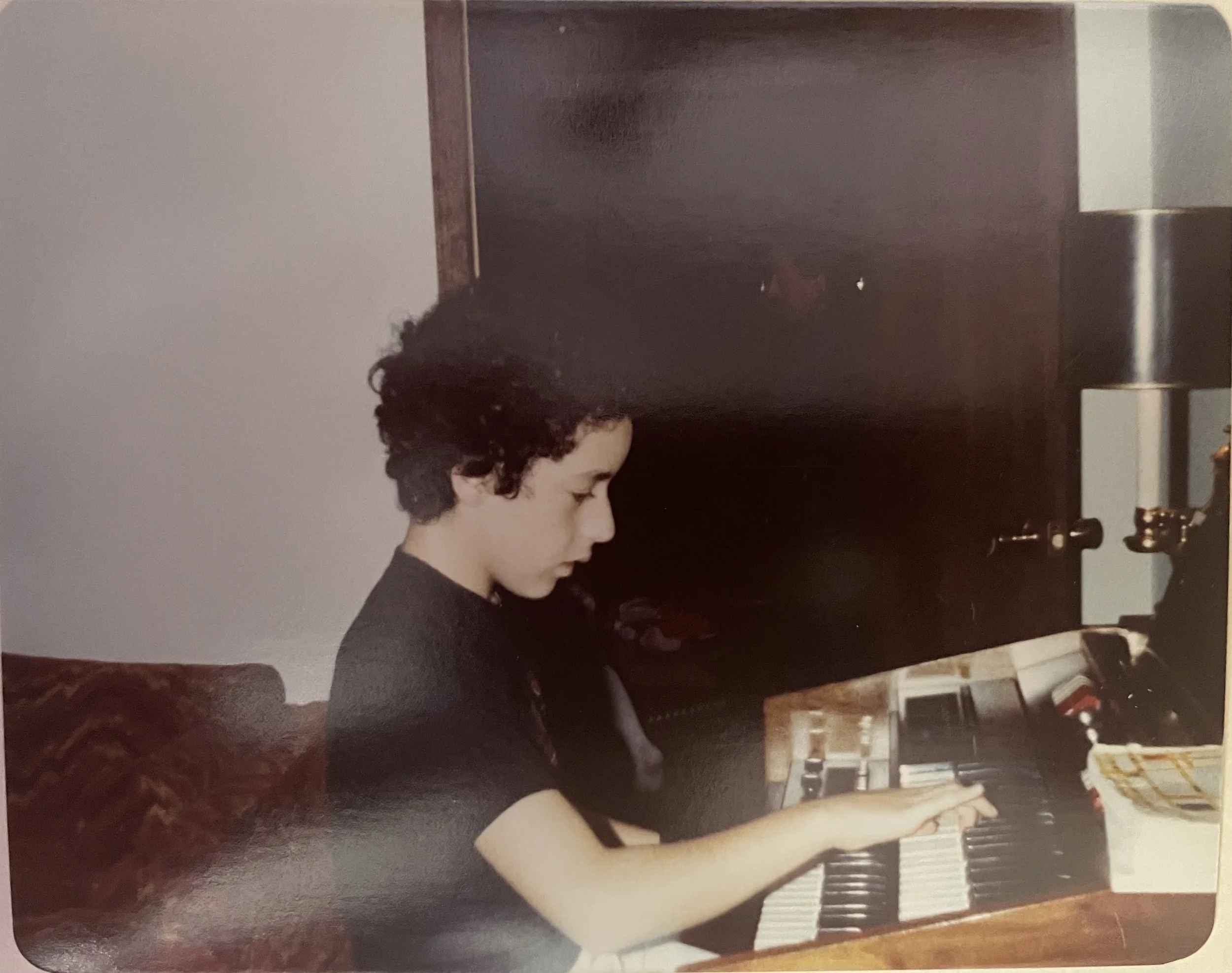
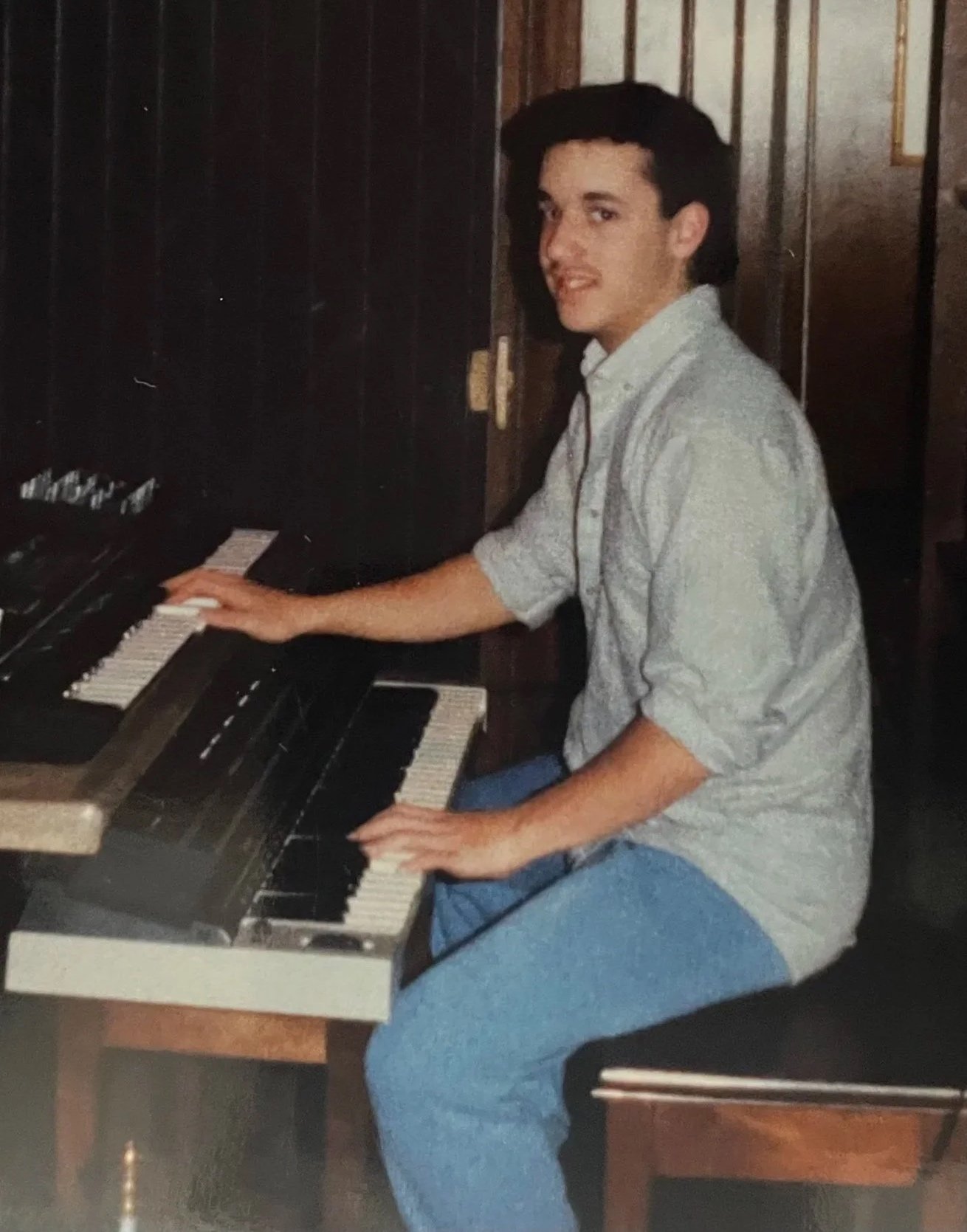
At age three, (I don’t really remember,) I had taught myself the main musical themes to a piece called “Maleguerña.” A Latin-inspired symphonic piece, my parents used to play on the stereo often.
The story goes that my mother heard the song, Malagueña, coming from the bedroom, where I had a small organ. She had thought I had turned on the stereo and was extremely upset with me. Only to find me playing those themes on that small organ. Since then, the piano became my voice, my outlet, my sanctuary. It was the one place where I could be myself, where I could express the things I couldn’t put into words. It was the one constant in a world of change, the one thing that never let me down.
As I grew older, the storms of my childhood intensified. The fighting and string of broken promises of a new start, the abuse, anger, pain… it all came to a head in a moment that would change my life forever. At thirteen, after several years of abuse, I found the courage to stand up for myself, to say “no more.” It was a turning point, a moment of empowerment that set me on a new path.


No obligation. Just a chat about piano and wellness. To answer any questions you might have, and see if I could help you, in anyway possible.
My father, a man of many contradictions, was the one who first introduced me to the piano (and subsequently, later, when I was a bit older, many other inappropriate forms of knowledge). He taught me the basics, the simple 1-4-5 progression of “In the Mood,” by Glenn Miller. But I quickly discovered that the piano was so much more than just notes on a page. It was a world of endless possibilities, a canvas for my imagination. I would spend hours at the piano, lost in the music, creating my own melodies, my own arrangements. It was a form of therapy, a way to cope with the chaos around me.
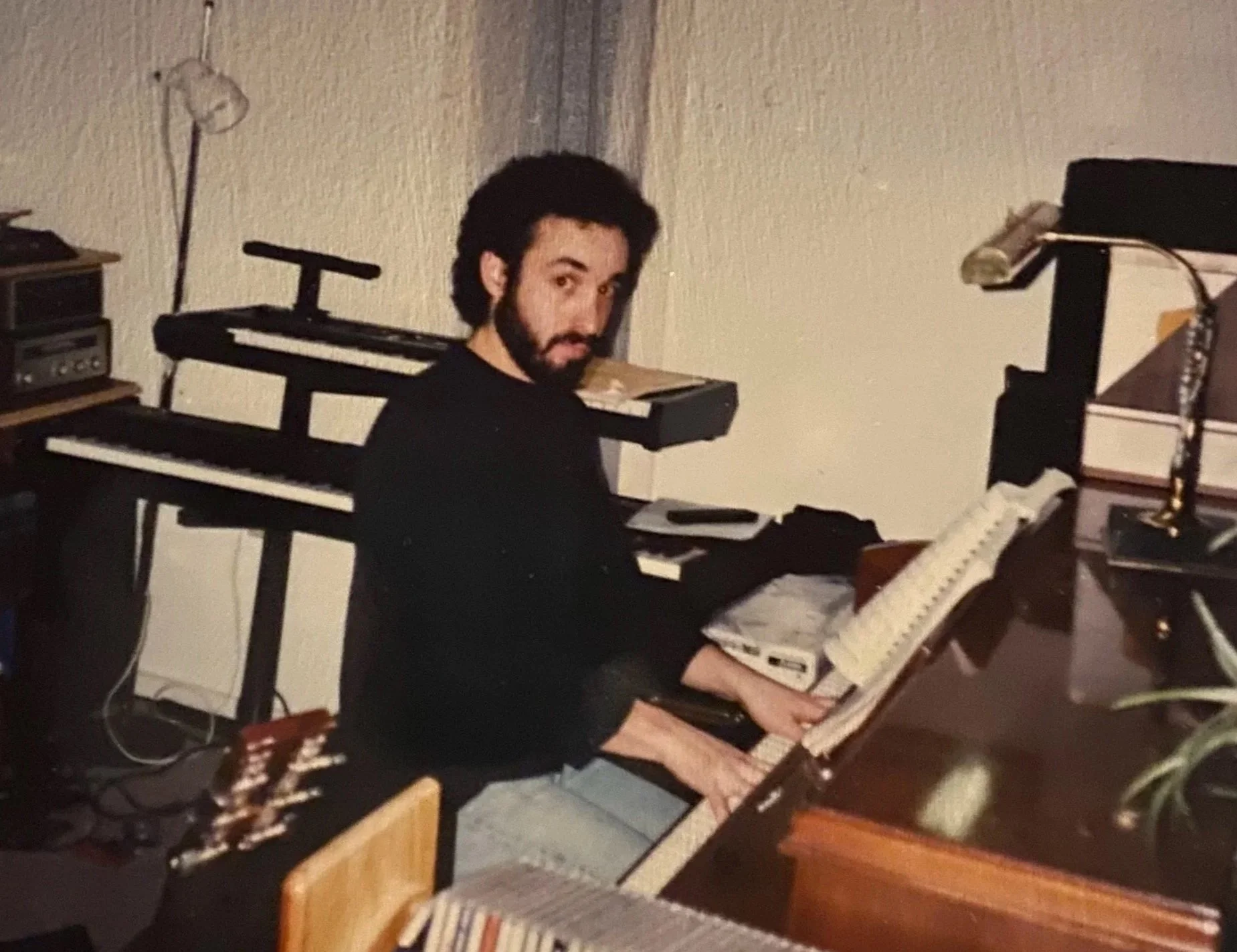
This is stuff you don’t find in method books or university, my friends. This information was the result of having relationships. Include to that list personal instruction from piano greats coming from Manhattan School of Music, Juilliard School of Music, The New School for Jazz, and Mason Gross School of Performing Arts. As well as contemporary artists, such as guitarist Martin Celay and Grammy-award-winning bassist and producer Nile Rogers, Andrew’s education lineage is pure and not available anywhere else. “I crave new knowledge and, after living with it, owning it, and being able to share what I gained to help others with similar struggles, it is my primary driving force. His teaching passion began at fourteen, driven by a desire to help others navigate the piano and use my experience in a meaningful way.”

Including his development as a pianist, educator, and performer, and out of his personal struggles, years spent in therapy, a college degree in Cognitive and Developmental Psychology, and post-grad coursework in Music Composition, Music Performance Transcription and Analysis, Education (Andrew is certified to teach grades 1-5 in public school and K-12 in Music), Finance (as a stock trader on the NYSE), Speech Pathology, Phonetics, and Anatomy and Physiology, he developed a unique improvisation system outlining how music actually works and incorporating wellness techniques like CBT, DBT, and Neurolinguistics.
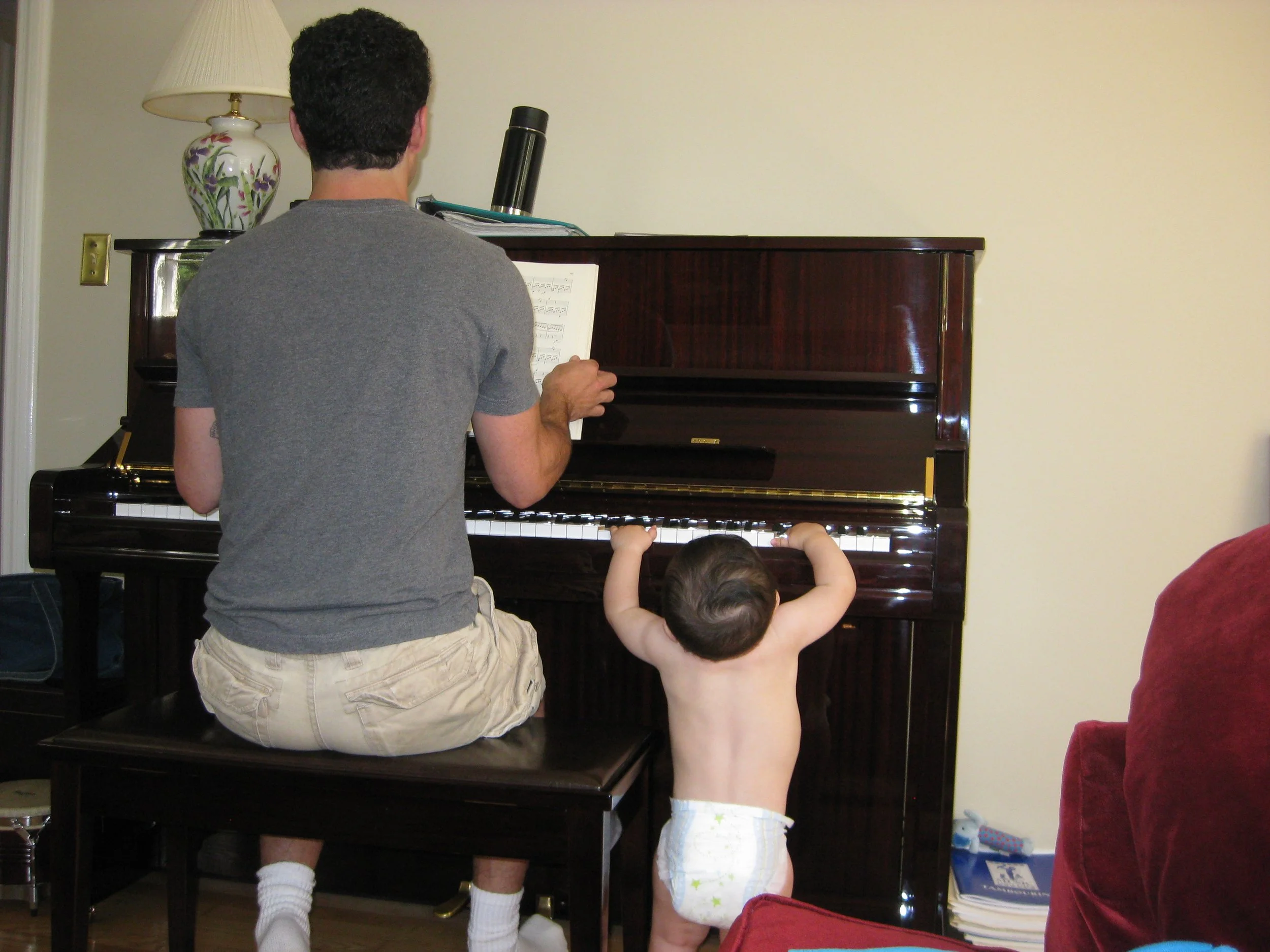
And that is why I am here today. My mission is to share the haven that the piano was for me with others. I want to help you discover the same joy, the same peace, the same sense of self-expression that I found in the music. I don’t believe in rigid methods or stuffy rules. I believe in a different kind of mastery, one that is rooted in freedom, creativity, and self-discovery.
My approach to teaching is simple: I want to help you find your own voice at the piano. I’ll teach you the fundamentals, the building blocks of music, but I’ll also encourage you to explore, to improvise, to make mistakes. Because in my world, there are no mistakes, only opportunities for growth. I’ll show you how to create your own arrangements of the songs you love, how to weave in and out of melodies, how to make the music your own.
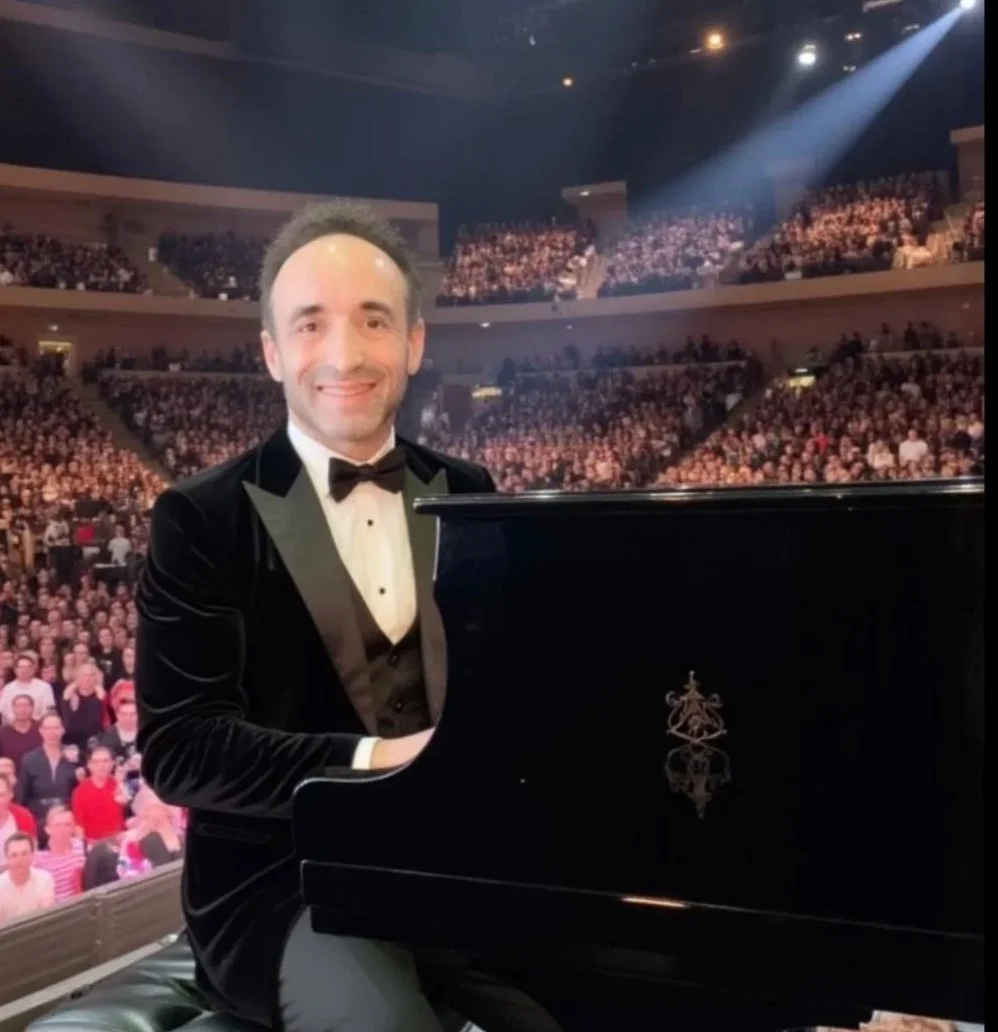
Besides music, Andrew has lived life to the fullest. To support the “struggling artist lifestyle,” he’s held a wide variety of jobs, honing his skills in various trades and professions. From a young age, Andrew has been no stranger to manual labor and hard work.
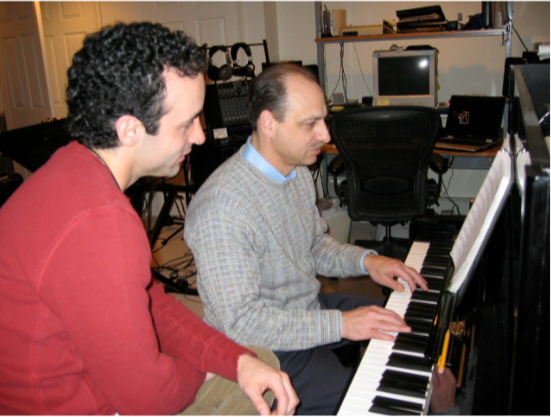
Andy did not travel the now common road of music school, but pursued and sought out mentors the “old school way” (that may or may not have included stalking, and just downright sheepishly asking to “hang out”). These include artists, such as world-renowned pianist and composer Marc Copland, Jon Esposito, Barry Harris, Kenny Werner, Armen Donelian, and Vincent Martucci, who in their youth, learned directly from jazz legends such as John Coltrane, Pharaoh Sanders, Lenny Tristano, and John Mehegan (Chair of piano at Julliard and author of 4 definitive works of the history of jazz piano pedagogy, and then handed that knowledge down to me).
This is more than just learning to play an instrument. It’s about building a community, a place where we can learn and grow together. It’s about using music as a tool for well-being, a way to improve our mood, to find our flow, to live a life of purpose.
So, if you’re ready to embark on a new journey, to rediscover the joy of music, to find your own haven at the piano, I invite you to join me. Let’s make some music together.
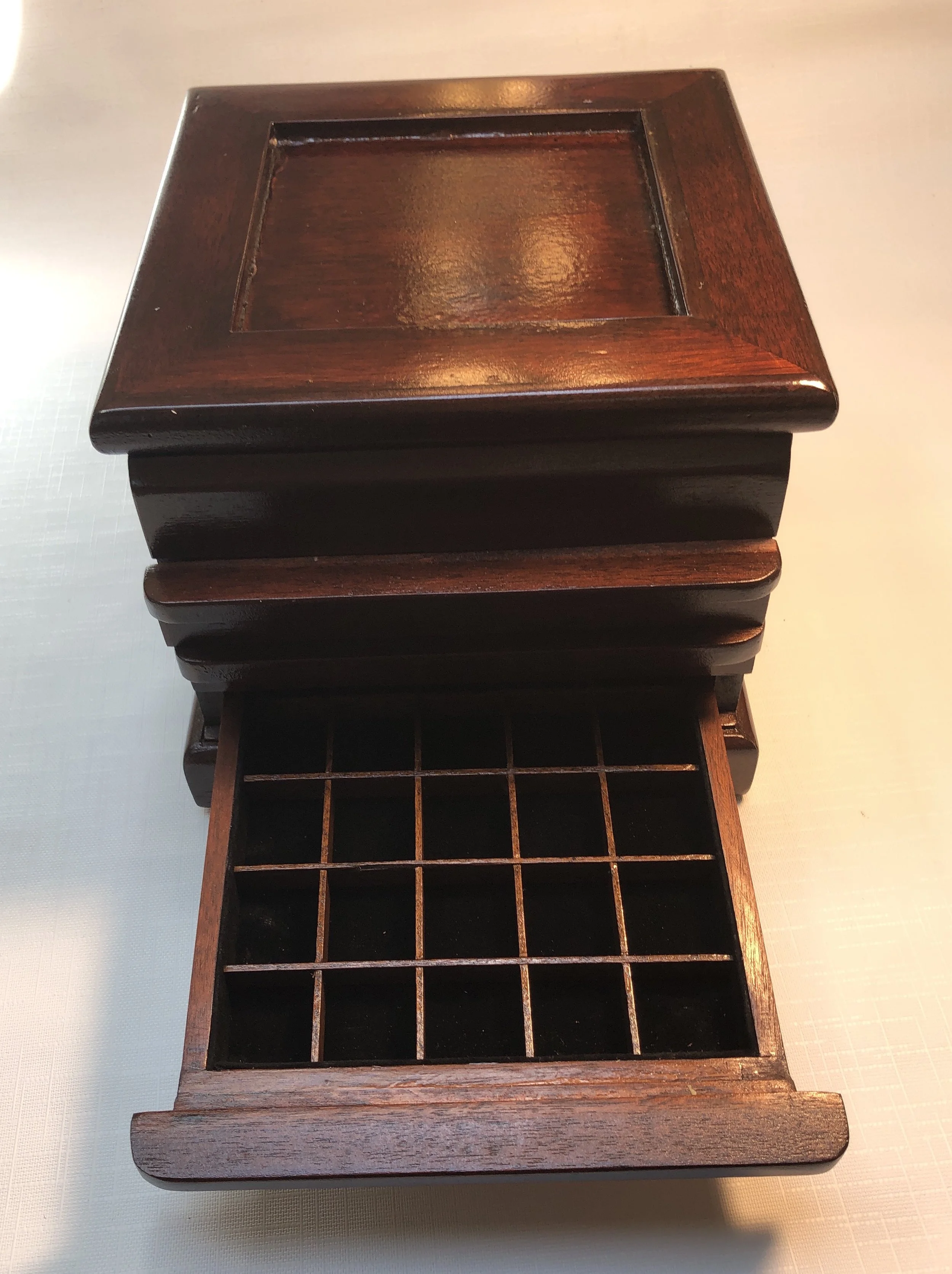
Being Naturally curious while staying Actively Learning. Committed to sharing music's therapeutic power, he inspires others to find peace and wellness through piano.
Thank you so much for taking Time to visit my website and learn the bit about me. I truly appreciate it, and I hope to meet you soon!
RIP 2023
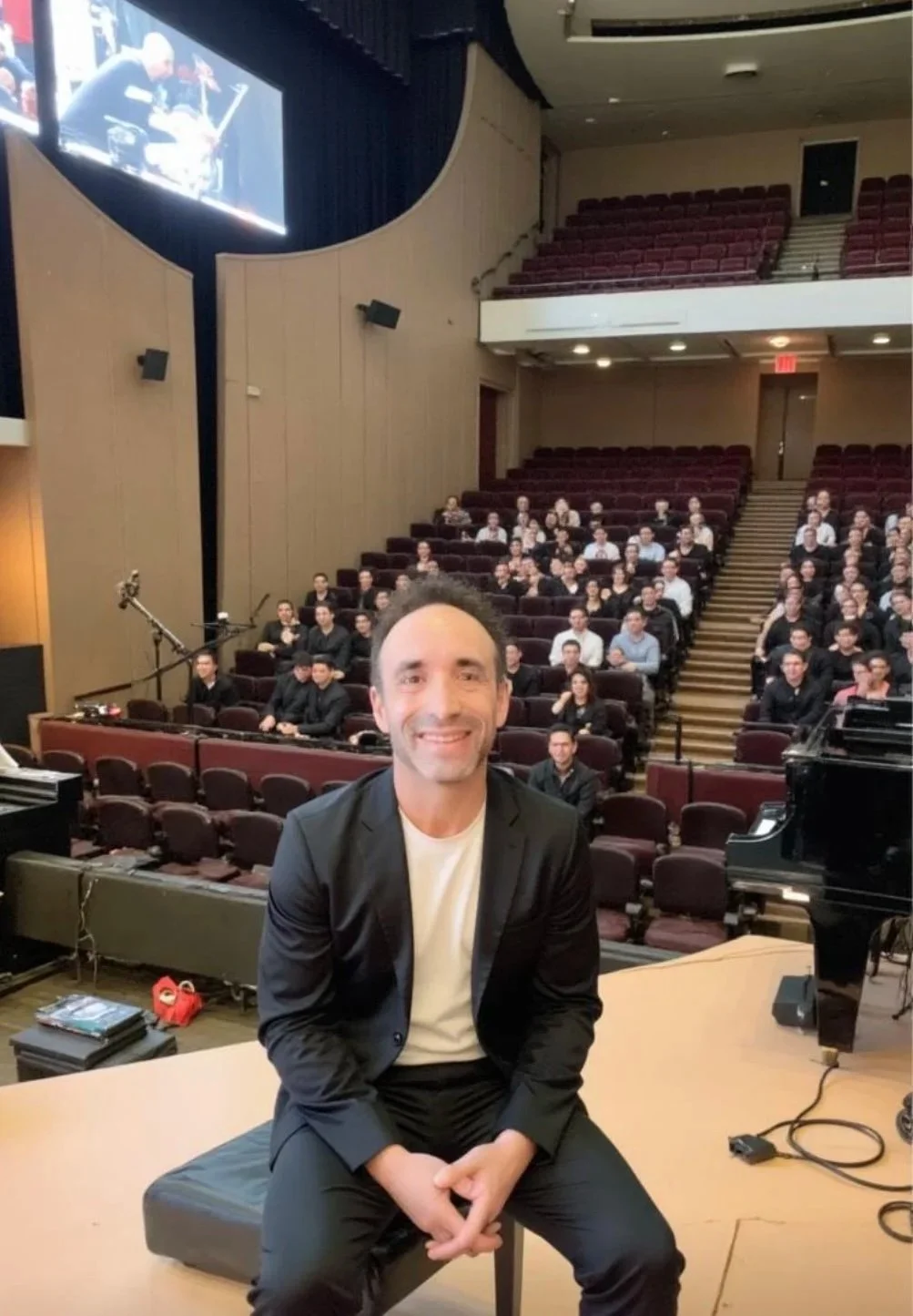
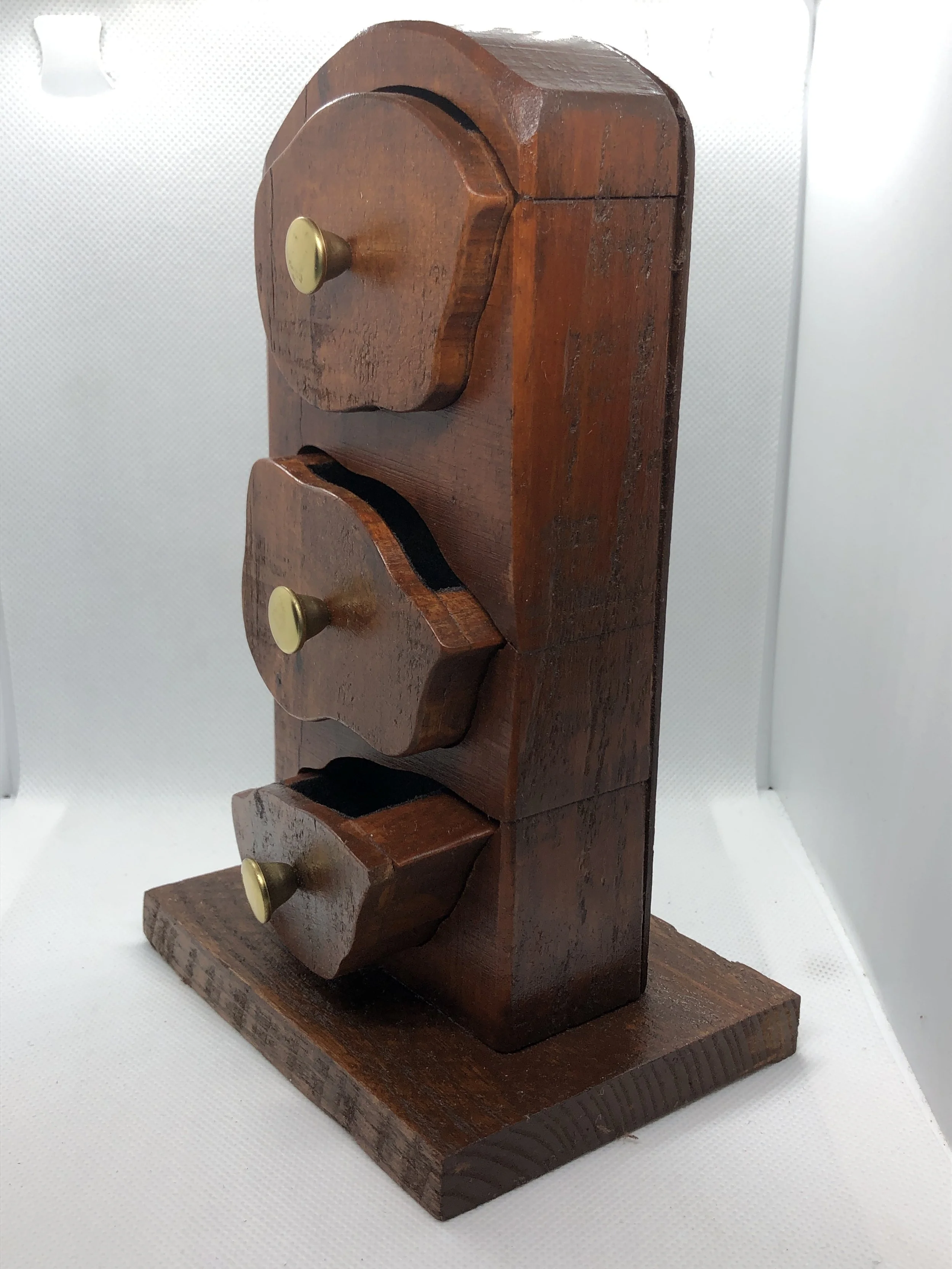
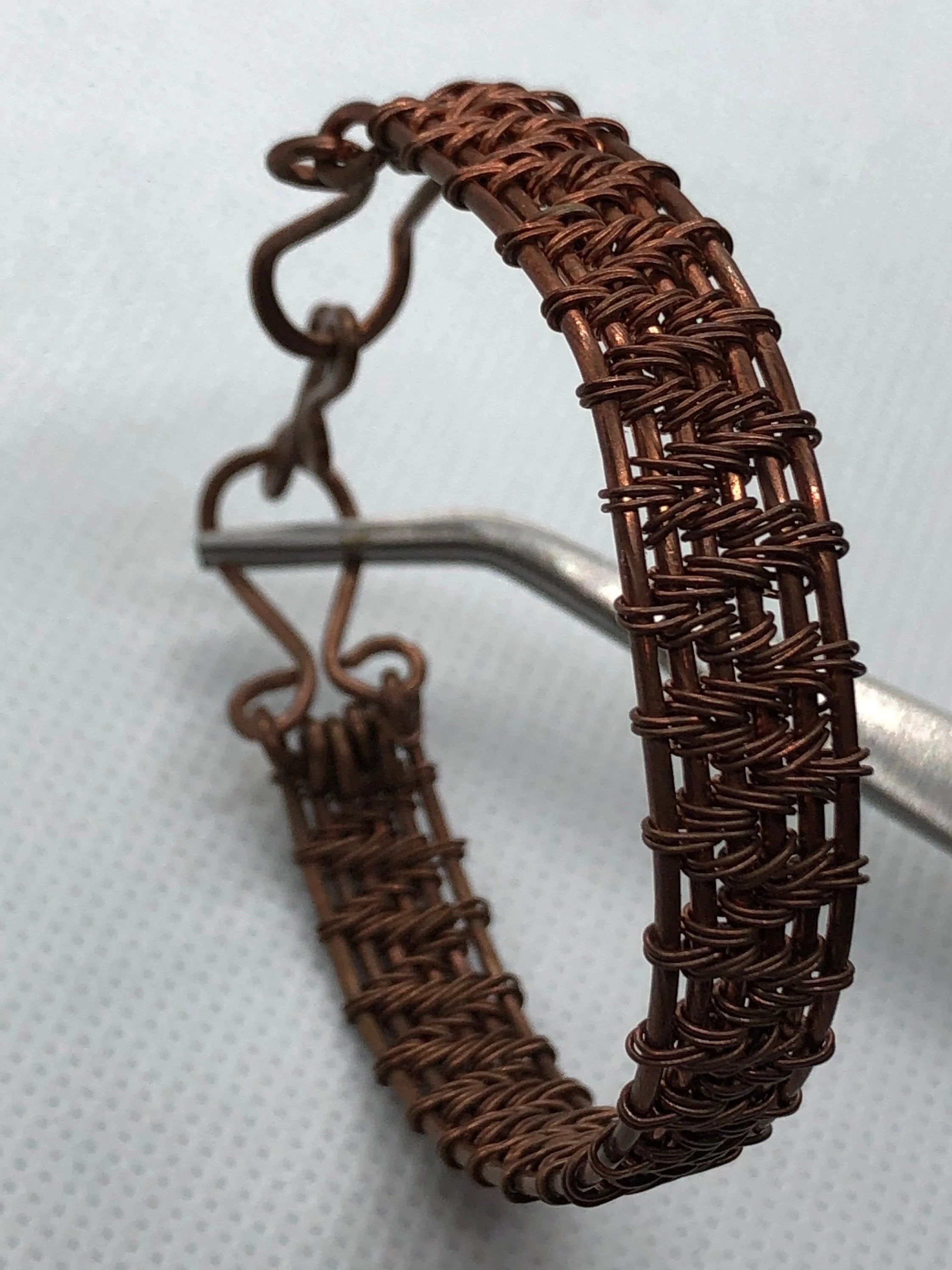
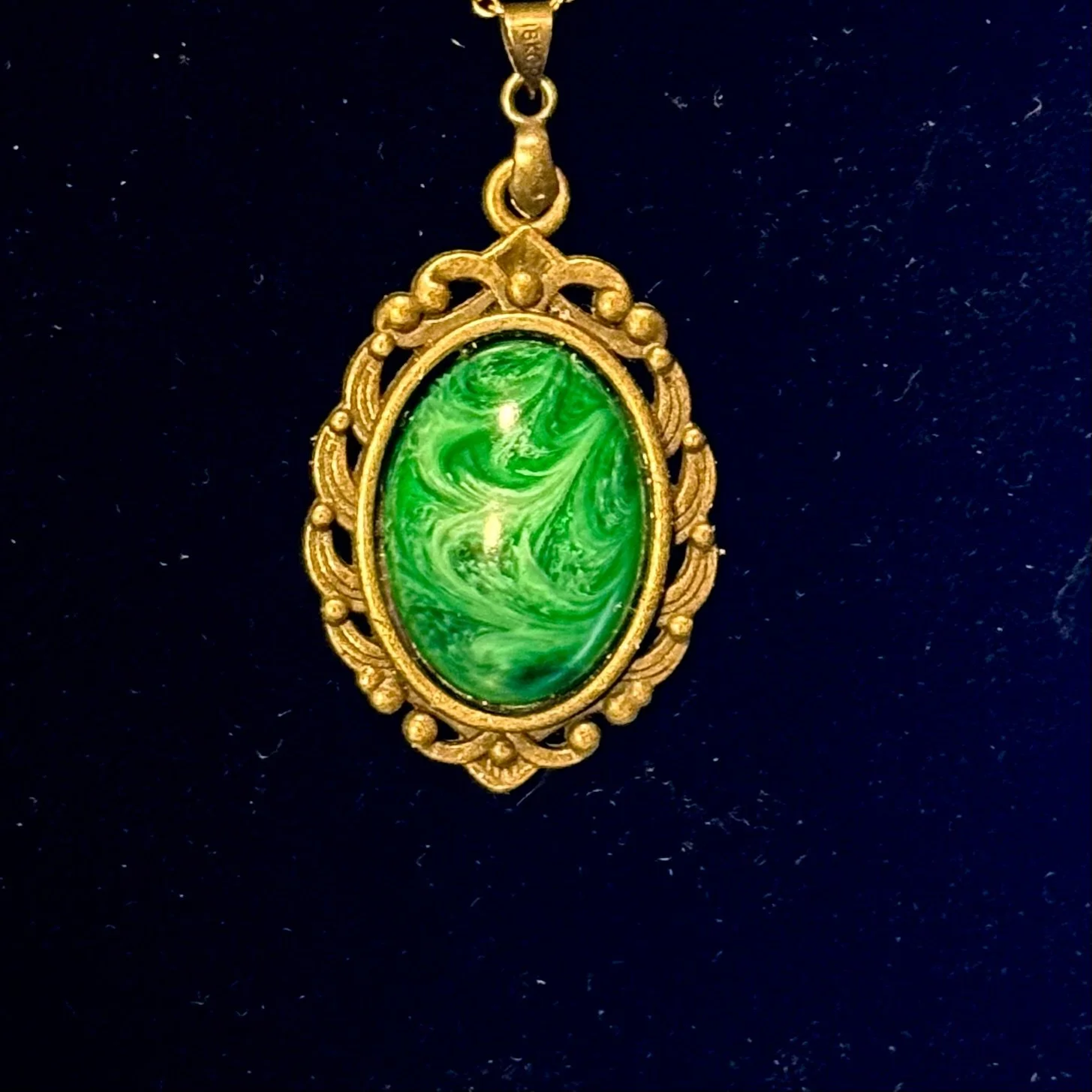
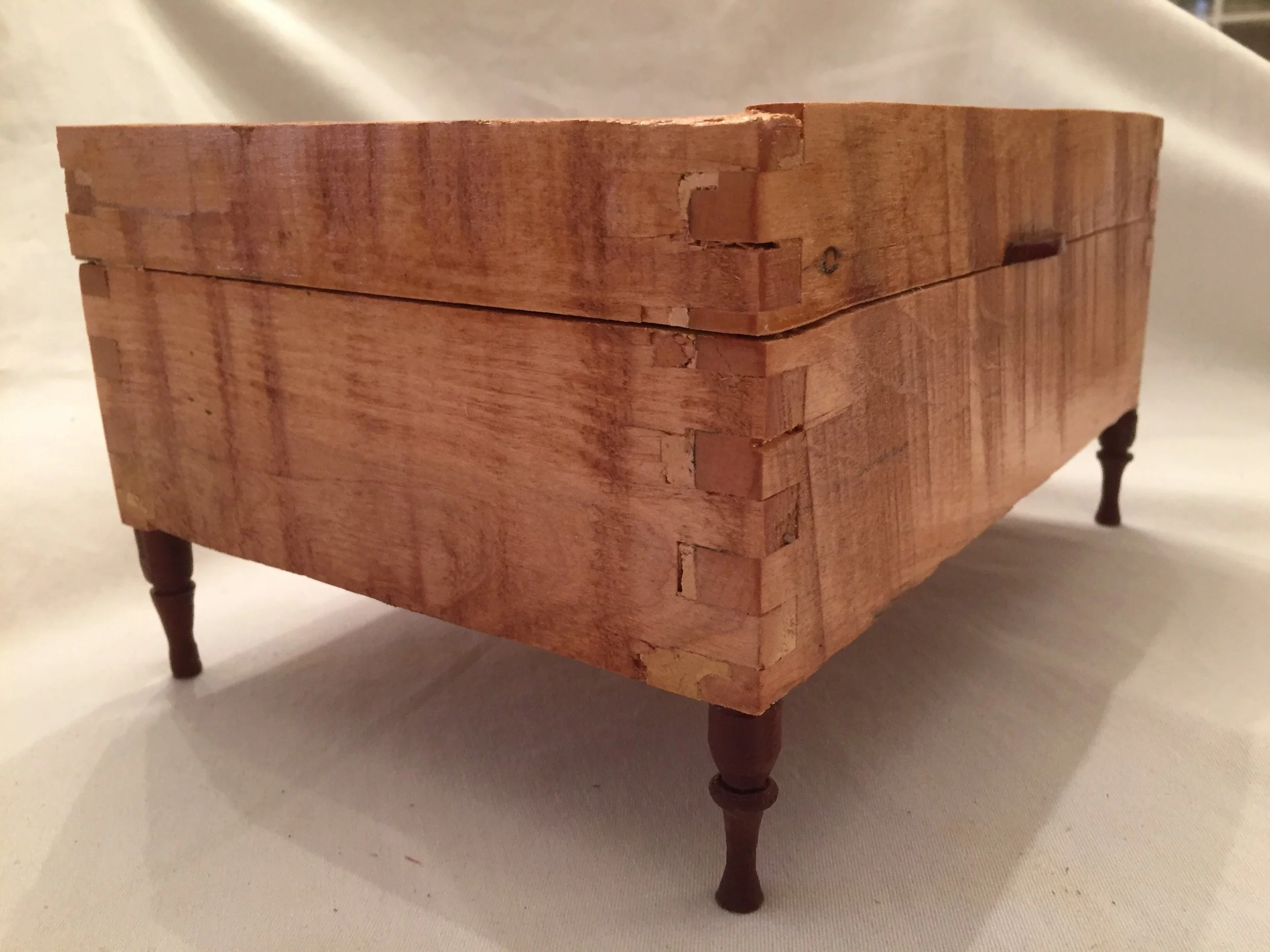
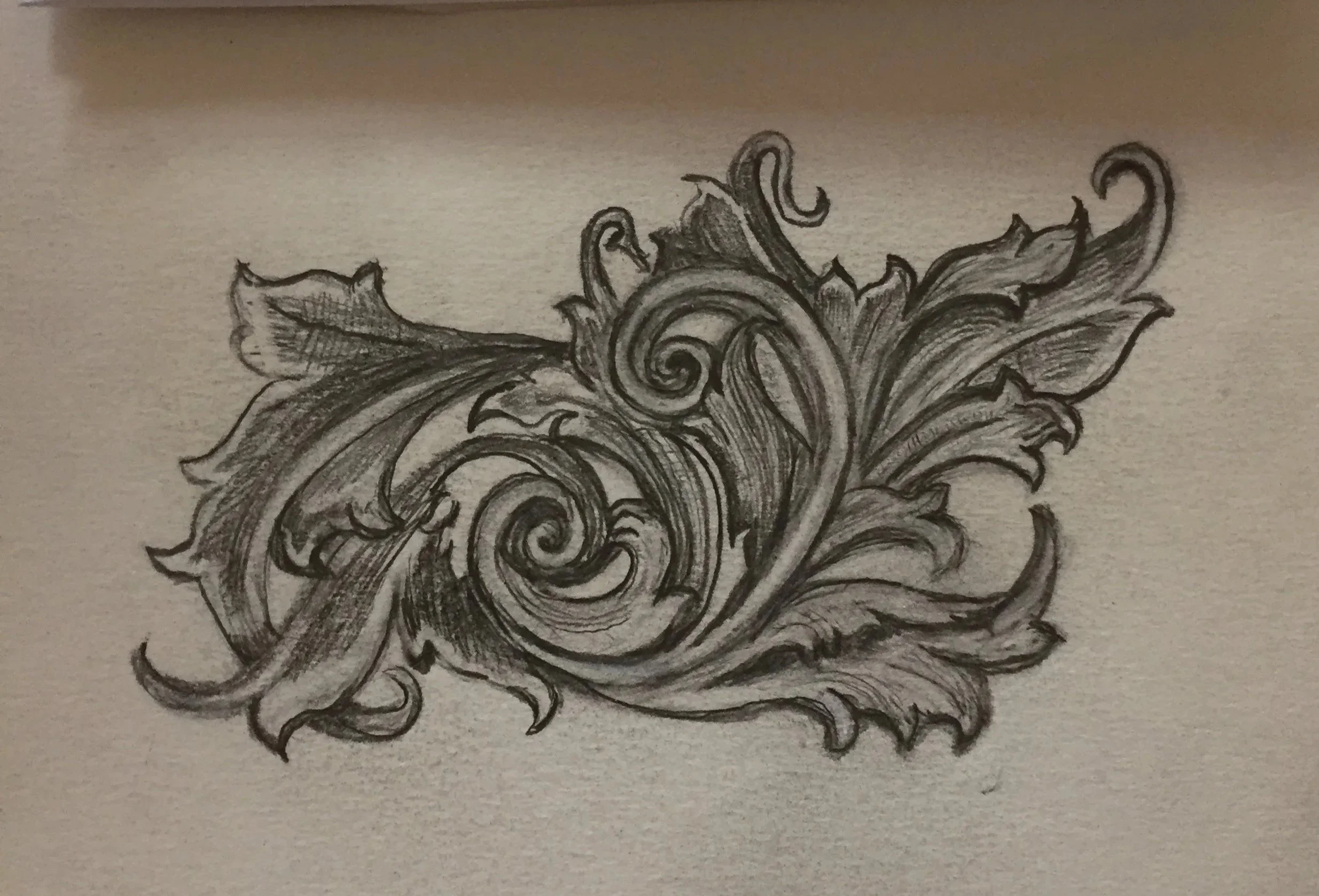
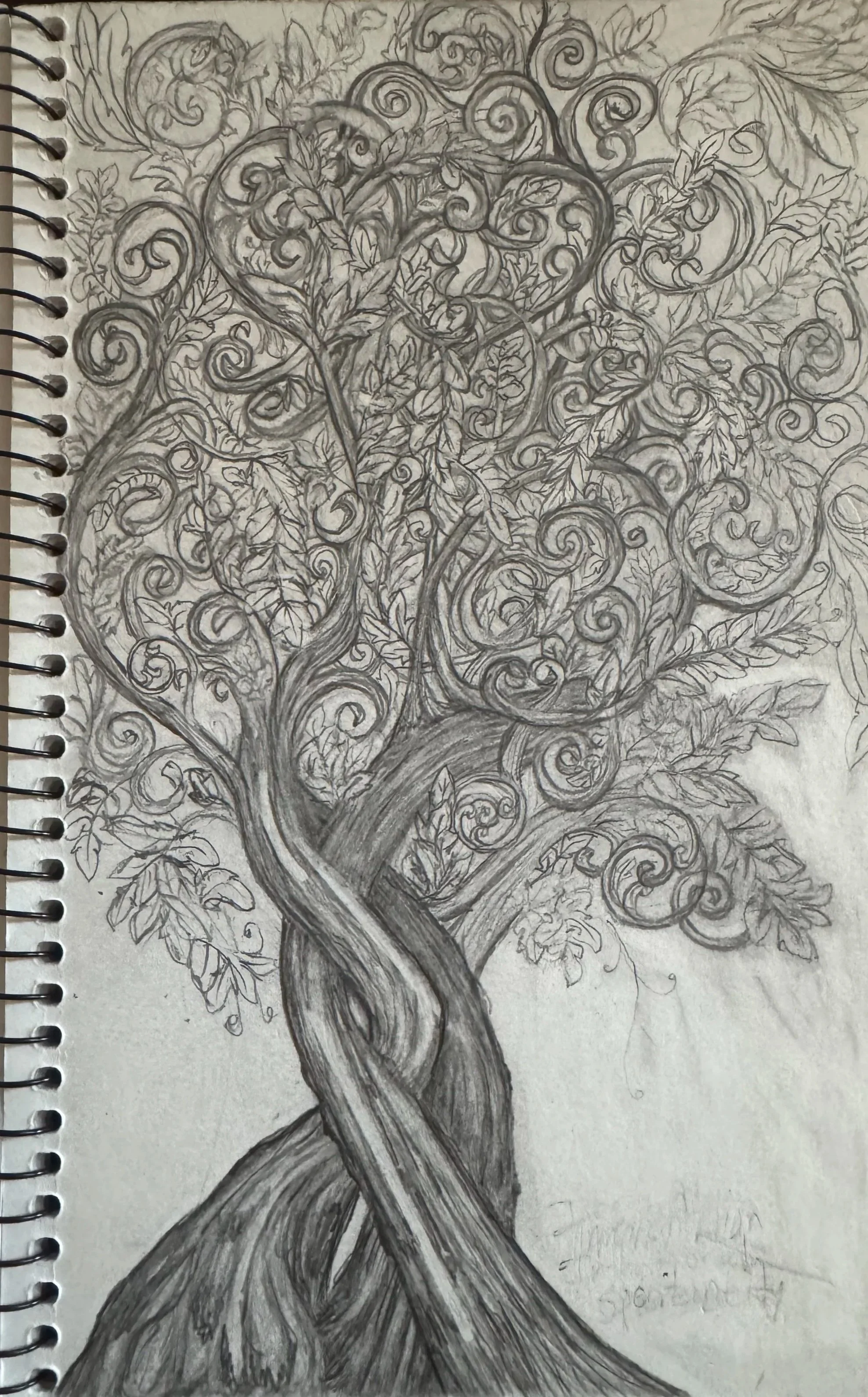
This has led him to become a skilled woodworker, sculptor, and cabinet maker. He’s also learned to repair almost anything, from mechanical to circuit boards. He is also a jewelry maker, learning scrollwork and metal engraving. When he’s not at the piano, you can find Andrew engrossed in these diverse pursuits.